
English| EUR
Suggested for you
More currencies
Choose a language
The Adelaide Dolphin Sanctuary spans 118 square kilometers of protected estuary where Indo-Pacific bottlenose dolphins feed and raise calves year-round. Multiple independent operators offer kayak rentals from launch points around Garden Island and the Port River, each with distinct access hours and equipment options. This guide maps the logistics of self-guided paddling in South Australia's only urban dolphin habitat.
Quick answer
Adelaide dolphin sanctuary kayak rental is available daily from 08:00 to 17:00, with providers operating from Garden Island and Port River launch sites. Entry to the sanctuary itself is free; rental fees vary by operator and typically range from hourly to half-day hire. Morning launches between 08:00 and 12:00 offer the calmest conditions and highest dolphin activity, particularly during the incoming tide when pods move through the mangrove channels.
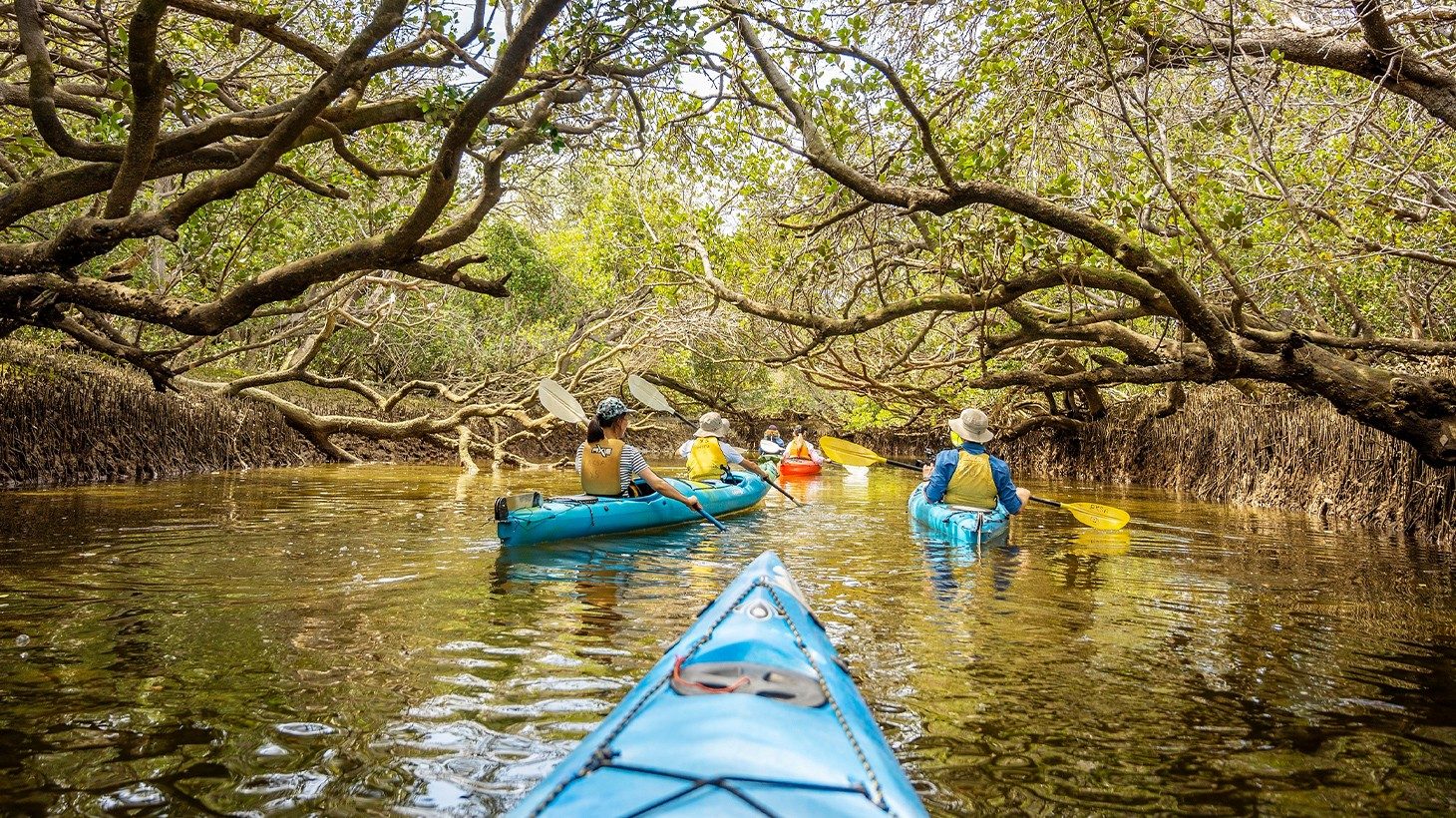
The Port River estuary holds one of the few urban dolphin populations in the world, with approximately 30 resident Indo-Pacific bottlenose dolphins that remain within the sanctuary boundaries throughout the year. Unlike ocean kayaking, paddling here means navigating shallow mangrove creeks and tidal flats where dolphins hunt fish and squid within meters of the shoreline. The water rarely exceeds two meters in depth across most of the sanctuary, and the sheltered geography keeps wave action minimal even on windy afternoons. Kayak rental for Adelaide Dolphin Sanctuary exploration operates through independent providers clustered around Garden Island and the northern Port River. No single concessionaire controls access; instead, several marine businesses offer sit-on-top kayaks, tandem models, and occasionally stand-up paddleboards from their waterfront bases. Most require advance booking during weekends and school holidays, though weekday mornings in autumn and winter often accommodate walk-ins. Rental periods typically start at two hours, with half-day and full-day options extending your range into the western mangrove zones where dolphin sightings concentrate. The sanctuary's tidal rhythm dictates paddling strategy more than any other factor. Incoming tides push baitfish into the narrow channels, drawing dolphins into predictable feeding corridors along the mangrove edges. Outgoing tides expose mudflats and create stronger currents that require more effort to navigate, particularly in the shallower eastern sections near the Garden Island causeway. Local operators track tide schedules and typically recommend launching two hours before high tide to ride the incoming flow and return on the slack water at the peak. Morning wind patterns in the Port River estuary remain light until midday, when sea breezes funnel through the industrial corridor and create chop across open water sections. Paddlers who launch after 13:00 often encounter whitecaps in the main channel and find the dolphins have moved into deeper refuge zones less accessible by kayak. The mangrove network provides wind protection, but navigation through the creek system requires attention to tidal height; low water leaves many passages impassable, forcing longer detours around mudbanks.
“The water rarely exceeds two meters in depth across most of the sanctuary, and the sheltered geography keeps wave action minimal even on windy afternoons.”
Access to the Adelaide Dolphin Sanctuary is free for all visitors. Commercial kayak rentals are separate services operated by private providers.
Verdict: Public entry costs 0 AUD, while total costs depend entirely on the specific kayak rental service provider selected.
The Adelaide Dolphin Sanctuary is open daily throughout the week. Visitors can access the area for kayak rental activities during the following standard hours.
The best arrival window for kayaking at the Adelaide Dolphin Sanctuary is 08:00–12:00. This period offers calmer morning winds and optimal light conditions for wildlife viewing and photography.
Mild, 15°C to 23°C
The season provides comfortable temperatures and active wildlife. Calm waters remain consistent during morning hours.
Warm, 20°C to 30°C
Expect higher visitor numbers during weekends. Early arrival is essential to avoid afternoon heat and wind.
Mild, 14°C to 24°C
Stable weather and clear water visibility make this a preferred time for paddling. Morning winds are typically minimal.
Verdict: The best slot is a weekday morning between 08:00 and 12:00 during the months of April or October.
The Adelaide Dolphin Sanctuary is located at Garden Island, Port Adelaide. The most direct approach for those renting kayaks is by car via the Causeway Road access point.
Follow Gillman Road and take the turnoff onto Causeway Road toward Garden Island
Take the 230 or 232 bus from Adelaide to Stop 40 Grand Junction Rd, then a taxi/rideshare
Direct service from Adelaide CBD to Garden Island
Follow signs for Garden Island once you reach Port Adelaide. Parking is available near the boat ramp area, which provides the most convenient access to kayak launch sites.
Prepare these essentials before your kayak rental at the Adelaide Dolphin Sanctuary to ensure a safe and comfortable paddle.
Everything you need to know about adelaide dolphin sanctuary kayak rental
No individual permit is required for casual paddling within the area. Access to the water is open to the public, though many visitors choose to engage professional services for guided navigation through the mangrove creeks.
Entry to the sanctuary is 0 AUD. However, individual kayak rental fees vary by provider depending on the duration and whether you opt for a guided excursion or self-guided equipment hire.
The best arrival window is 08:00–12:00. This period offers calmer morning winds and better light conditions for wildlife observation and nature photography.
Yes, families are generally welcome to enjoy the waterway. Rental providers often offer double kayaks, which are suitable for younger children to paddle alongside an adult.
No prior experience is typically required for standard equipment hire. Instructors at the site provide essential safety briefings and basic paddling techniques before you launch.
It is recommended to bring sun protection, a hat, and a water bottle. Because you are visiting a natural maritime environment, quick-dry clothing and secure footwear are also advisable for your session.